




Reusable EEG Cup Electrodes from CNSAC: Improved Signal Stability in Modern Neurodiagnostic Workflows
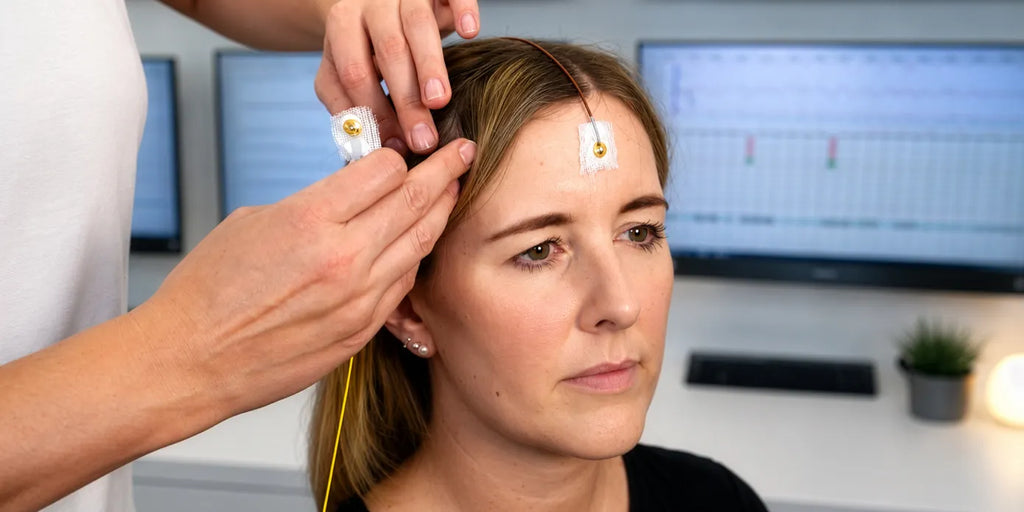
In many neurophysiology laboratories, the focus is often on amplifiers, recording software, and diagnostic interpretation. In daily practice, however, one of the most common causes of signal instability arises much earlier in the signal chain: at the electrode-skin interface.
Electroencephalography (EEG) operates in the microvolt range. Signals of this magnitude are extremely sensitive to fluctuations in impedance, electrode polarization, cable movement, and unstable contact conditions [1]. Even minor changes at the electrode level can cause noise, baseline drift, or artifacts that make interpretation difficult [4].
In high-throughput settings—such as epilepsy monitoring units, sleep labs, and neurology clinics—stable electrode performance is therefore much more than just a technical detail. It is a key factor in diagnostic reliability and efficient workflows [1].
For this reason, the quality of the electrode material and the design remain critical factors in the selection of modern neurophysiological equipment. CNSAC’s reusable EEG cup electrodes were specifically developed to meet these clinical requirements and combine proven electrode materials, such as gold and sintered Ag/AgCl, with a durable design for routine diagnostic use.
Why Electrode Materials Remain Crucial in EEG Diagnostics
For decades, electroencephalography (EEG) has been one of the most important methods in neurological diagnostics. It is routinely used to diagnose epilepsy, sleep disorders, encephalopathies, and numerous other neurological conditions. At the same time, it is becoming increasingly important in neurofeedback and the neurosciences.
Since EEG signals have extremely low voltages, the electrode material has a direct impact on the stability of the recording and the signal quality.
Silver/silver chloride (Ag/AgCl) electrodes are considered the reference material for recording bioelectrical signals due to their stable half-cell potential and low polarization characteristics. These properties reduce signal distortion and support stable recordings during electrophysiological measurements [2].
Sintered Ag/AgCl electrodes further enhance these properties due to their porous microstructure. This increases the effective contact area, which helps maintain stable impedance even during longer recordings [3].
Gold Cup electrodes represent another well-established solution for reusable electrode systems. Thanks to their corrosion resistance and high mechanical strength, they maintain their reliable conductivity even after numerous cleaning and reprocessing cycles, as is common in clinical neurophysiology [5].
Together, these materials form the basis of modern EEG electrode technology.
The Practical Challenge: Stable Multichannel EEG Recordings
A standard EEG examination typically involves 16 to 32 electrodes. Advanced monitoring systems—such as those used in epilepsy monitoring units or during polysomnography—often require even larger electrode configurations that must remain stable for many hours.
However, under clinical conditions, it is not always easy to maintain stable multichannel recordings. Typical challenges include:
- Gradual increase in impedance during the measurement
- Motion artifacts caused by cable movement Electrode wear after repeated cleaning cycles
- Unstable electrode contact when the patient changes position
- Additional time required for readjustments during recording
These factors can cause noise and impair the efficiency of diagnostic workflows.
Particularly in sleep laboratories, where overnight polysomnography studies require stable signals from numerous physiological channels, the reliability of the electrodes is a critical operational requirement.
The Importance of Electrode Design for Neurophysiological Workflows
In modern neurodiagnostic facilities, electrode systems must offer a balance of signal quality, durability, and ease of use.
Technical staff need electrodes that:
- ensure stable impedance even after repeated testing,
- withstand routine cleaning and disinfection processes,
- minimize cable-related signal interference,
- can be seamlessly integrated into standard EEG and PSG systems.
Electrodes that do not meet these requirements may increase the amount of preparation required, cause signal artifacts, or necessitate repeated adjustments during the examination.
For this reason, durability and signal stability remain key selection criteria when equipping neurological facilities and sleep labs.
CNSAC Reusable EEG Cup Electrodes: Product Overview
For laboratories with a high volume of EEG or sleep diagnostics tests, the reliability of the electrodes directly affects the efficiency of workflows and the quality of the recordings.
CNSAC's reusable EEG cup electrodes are designed to support stable electrophysiological recordings in both clinical diagnostics and research.
The CNSAC portfolio includes:
The electrodes are used in the following areas of application, among others:
- Electroencephalography (EEG)
- Polysomnography (PSG)
- Neurofeedback Systems
- Neuroscience Research
By combining proven electrode materials with a robust design, CNSAC electrodes deliver consistently high performance during repeated clinical use.
CNSAC Sintered Ag/AgCl Cup Electrodes: Designed for Reliable Neurophysiological Recordings
CNSAC's sintered Ag/AgCl cup electrodes are designed to enable stable signal transmission in environments where reliable neurophysiological measurements are required.
| Key Product Features | Description |
| Stable Signal Transmission | The sintered Ag/AgCl electrode surface supports low-impedance recordings and contributes to consistently high signal quality during electrophysiological examinations. |
| Robust electrode design | Its durable design allows for repeated use in neurology departments and sleep labs. |
| Flexible Cable Lengths | Shielded connection cables are available in lengths of 75 cm (CE-124) and 200 cm (CE-128), allowing for flexible adaptation to different examination environments. |
| Versatile Applications in Neurodiagnostics | Suitable for EEG diagnostics, polysomnography, neurofeedback systems, and neuroscientific research. |
| Convenient Packaging for Multichannel Applications | Comes as a set of 10 electrodes—ideal for typical multichannel configurations in neurophysiology. |
Choosing the Right EEG Electrode Material
When selecting appropriate electrodes, clinicians and healthcare professionals typically consider several practical factors.
Gold electrodes: These are often chosen for reusable electrode systems due to their corrosion resistance and long service life.
Ag/AgCl electrodes: These are widely used due to their stable electrochemical properties and reliable signal transmission.
Sintered Ag/AgCl electrodes: These are preferred in many laboratories due to their improved impedance stability and their performance in long-term recordings.
The most suitable type of electrode depends on the specific laboratory protocols, the preferred preparation methods, and the type of examination.
Why Many Neurophysiology Labs Choose CNSAC Electrodes
At first glance, EEG electrodes may appear similar. However, differences often become apparent in daily clinical practice.
Typical problems with low-quality electrodes may include:
- Unstable Impedance Values
- Cable-Related Artifacts
- Mechanical Wear
- Inconsistent signal quality
CNSAC's reusable EEG cup electrodes were designed to address these challenges through the following features:
- Stable signal transmission thanks to high-quality electrode materials
- Robust design for repeated clinical use
- Reliable Cable Configurations for Multichannel Recordings
- Compatibility with common EEG and PSG diagnostic systems
These features support reliable neurodiagnostic recordings in environments where signal stability and efficient workflows are critical.
Practical Recommendations for the Use of EEG Electrodes
To ensure optimal recording quality, the following best practices are generally recommended:
- Careful preparation of the electrode-skin interface to reduce impedance
- Organized cable routing to minimize motion-induced artifacts
- Regularly inspect the electrodes for wear or mechanical damage
- Adherence to appropriate cleaning and handling procedures for reusable electrodes
Consistent and proper handling ensures stable signal transmission and contributes to reliable EEG recordings.
Summary
Reliable neurophysiological recordings begin with a stable electrode-skin interface. Fluctuating impedances, electrode wear, or mechanical instability can cause artifacts that make it difficult to interpret EEG data and compromise the efficiency of diagnostic workflows.
CNSAC's reusable EEG cup electrodes combine proven electrode materials, such as gold and sintered Ag/AgCl, with a durable design for routine use in neurodiagnostics.
Neurology departments, sleep labs, and neuroscience research institutions looking for reliable EEG electrode solutions can request additional technical specifications and information on system compatibility for CNSAC’s reusable EEG cup electrodes.
References
- Sörnmo, L., and Laguna, P. *Bioelectrical Signal Processing in Cardiac and Neurological Applications*. Academic Press.
- Geddes LA, Baker LE. Principles of Applied Biomedical Instrumentation.
- Tallgren, P., et al. Evaluation of Electrodes and Gels for Recording Slow EEG Potentials. Clinical Neurophysiology.
- Ferree TC, Luu P, Russell GS, Tucker DM. Scalp Electrode Impedance, Risk of Infection, and EEG Data Quality. Clinical Neurophysiology. 2001.
- Webster, J. G. Medical Instrumentation: Application and Design. 4th ed. Wiley; 2009.