




Your complete guide to medical accessories for sleep and brain diagnostics
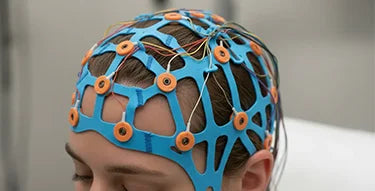
Understanding medical equipment, especially neurological diagnostic consumables, can be complex - particularly when it comes to sleep examinations or neurophysiological testing procedures. Whether you are a medical professional setting up a sleep laboratory or a patient who wants to understand which equipment is used during an examination, this guide will help you become familiar with the most important consumables required for accurate sleep and neurological diagnostics. It explains clearly what these essential medical devices do, for both healthcare professionals and patients.
What Are Sleep Studies - and Why Are They Important?
Sleep examinations help doctors understand what happens in the body during sleep. These tests can identify problems such as sleep apnea, restless legs syndrome, or other sleep disorders that affect health.
During a sleep study, medical professionals use specialized devices to monitor brain waves, breathing, heart rate, and body movements throughout the night.
As leading providers of accessories for sleep medicine, specialized companies supply all the equipment needed to make diagnostic examinations both precise and comfortable for patients.
CNSAC has many years of experience in developing and producing high-quality accessories for sleep diagnostics and supports sleep laboratories, homecare providers, and medical facilities with reliable, field-tested solutions.
Understanding Brain Wave Measurement Devices
Measuring brain waves - also known as EEG testing - records the electrical activity in the brain. These examinations help diagnose conditions such as epilepsy, sleep disorders, and other neurological abnormalities.
The equipment used includes EEG/PSG caps, which comfortably and securely hold the electrodes in place on the head during the examination. These special caps are designed to remain reliably in place throughout the night without disturbing sleep or causing discomfort. In addition, EEG cup or disc electrodes and - depending on the type of examination - adhesive electrodes also play an important role in ensuring stable signal quality and reliable recording throughout the entire measurement period.
Healthcare facilities rely on high-quality neurological diagnostic consumables to obtain accurate measurement results at all times.
Important materials for electrode placement
Electrodes are small sensors that record electrical signals from the brain and body during the examination. To function correctly, they must remain securely attached to the skin throughout the entire measurement.
Adhesive conductive pastes (such as LIC2 or EEG-ACP) play a central role in securely attaching electrodes during polysomnography (PSG). They ensure stable fixation of the electrodes while also providing reliable electrical conductivity throughout the examination.
In addition, certain applications also use adhesive rings that are required for the additional fixation of electrodes or sensors. They are designed to be gentle on the skin, provide reliable adhesion, and support stable measurement results - even during patients' nighttime movements - without causing unnecessary skin irritation.
Keeping CPAP equipment clean and safe
Many patients with sleep apnea use CPAP devices to ensure stable and effective breathing during sleep. These devices use masks that cover the nose or mouth - thorough and regular cleaning is therefore essential for health, hygiene, and wearing comfort.
The WILAsil® special cleaner for CPAP masks provides thorough cleaning and reliably removes bacteria, fats, and other residues that can accumulate on mask surfaces and accessories. Regular cleaning with suitable products helps extend the service life of masks and accessories and prevent skin problems that can arise from contaminated equipment.
In addition, the special descaler offers an ideal solution for gentle yet thorough cleaning of CPAP masks, replacement parts, and other accessories. Thanks to its unique, non-corrosive formula, it quickly and effectively removes limescale deposits without damaging sensitive materials. Its deliberate lack of dyes, fragrances, and surfactants makes the descaler especially gentle on the skin, low in allergens, and safe for health - ideal for regular use in everyday home CPAP care.
Digital purchasing processes make it easier to source medical consumables
The days when clinics and laboratories had to make numerous phone calls to order medical products are over.
Today, online platforms for hospital supplies enable simple, fast, and transparent purchasing of all materials required for sleep studies and neurological tests.
Medical professionals can browse detailed product catalogs, compare specifications, and place orders around the clock.
This keeps inventory management efficient and prevents shortages of essential consumables.
Selecting the right materials for your facility
Depending on the facility, equipment requirements for sleep and neurological diagnostics vary.
Smaller practices often need only basic accessories for occasional examinations, while large sleep centers must maintain an extensive inventory for numerous patients each night.
A reliable supplier of accessories for sleep medicine understands these different requirements and supports facilities in selecting suitable products - tailored to their needs and budget.
Working with experienced suppliers ensures that high-quality, reliable products are available when they are needed most.
Quality is crucial in medical testing
In medical examinations - particularly in sleep diagnostics and polysomnography (PSG) - the use of high-quality consumables is crucial. It is not only about achieving the most accurate measurement results possible, but also about patient safety, comfort, and reliable diagnostics over many hours.
Low-quality sensors or electrodes can come loose or shift during overnight monitoring. This can result in signal disturbances, measurement artifacts, or incomplete data sets, significantly impairing the diagnostic value of the examination and, in the worst case, leading to misdiagnoses or repeat examinations.
For this reason, sleep laboratories, clinics, and medical facilities should rely exclusively on high-quality consumables for neurological diagnostics. Products from reputable manufacturers specializing in the development and production of safe, reliable medical technology make a significant contribution to stable measurement results, more efficient processes, and a better patient experience.
Cost-efficient management of medical consumables
The challenge for many facilities is to control costs without compromising on quality.
Efficient procurement strategies include sourcing appropriate quantities, working with reliable suppliers offering competitive prices, and using online platforms for hospital supplies with transparent pricing and volume discounts.
Long-term partnerships with trusted suppliers help reduce costs while ensuring a consistently reliable supply.
Conclusion
Understanding consumables for sleep and neurological diagnostics does not have to be complicated.
CNSAC specializes in high-quality medical devices and consumables that make examinations more precise and patient-friendly – while also making daily work easier for healthcare professionals.
From EEG cup electrodes and nasal cannulas to EEG adhesive conductive paste and WILAsil® special cleaners for CPAP masks – the right equipment makes a difference in the quality of patient care.
Healthcare facilities benefit from working with experienced suppliers who understand the requirements of sleep medicine and neurological diagnostics.
With high-quality products, reliable sources, and modern online ordering systems, healthcare facilities can focus on what matters most: excellent patient care.
Whether you manage a sleep laboratory or are preparing as a patient for a sleep study – understanding these essential consumables helps achieve the best possible examination results and treatment outcomes. High-quality consumables for sleep and neurological diagnostics are the foundation for precise polysomnography examinations, stable EEG measurements, and safe, patient-oriented care in the sleep laboratory.
-
Posted in
Schlafdiagnostik